


 i2ba
i2ba
 Ngoma
Ngoma
Transforming Operations with Remote Asset Management: A Modern Approach to Efficiency and Control
Remote Asset Management (RAM) has emerged as a critical component in modern business operations, enabling organizations to monitor, control, and optimize their assets from distant locations. As industries increasingly adopt digital technologies and the Internet of Things (IoT), the ability to manage assets remotely is revolutionizing how enterprises handle logistics, equipment, infrastructure, and resources. With growing emphasis on operational efficiency, cost control, and real-time data, remote asset management is no longer a luxury but a necessity across sectors such as energy, manufacturing, agriculture, and transportation.
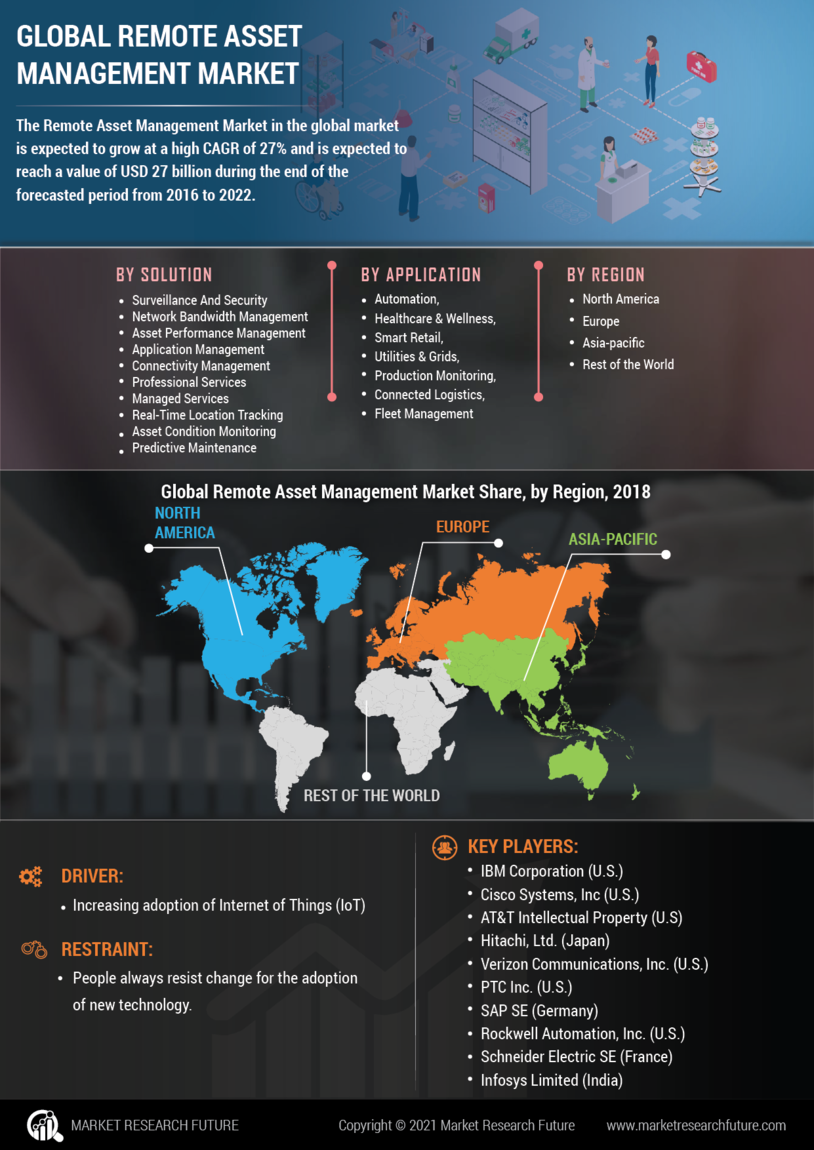
Source - https://www.marketresearchfuture.com/reports/remote-asset-management-market-2480
At its core, remote asset management involves using interconnected systems and smart sensors to collect data from physical assets, which is then transmitted to centralized software platforms for monitoring and decision-making. This allows businesses to track the health, usage, and performance of assets without needing on-site personnel. By leveraging technologies such as GPS, cloud computing, and AI analytics, organizations can predict equipment failures, schedule proactive maintenance, and reduce downtime. The implementation of RAM provides a comprehensive overview of asset conditions and helps extend their lifecycle, ultimately translating into substantial cost savings and productivity enhancements.
Industry news highlights the growing relevance of remote asset management in response to global disruptions and changing workforce dynamics. The COVID-19 pandemic accelerated digital transformation initiatives, pushing companies to adopt RAM solutions to maintain business continuity while adhering to remote work policies. Moreover, the rise of Industry 4.0 has led to widespread adoption of smart devices and edge computing, further enhancing the capabilities of RAM systems. Notably, many companies are now integrating RAM platforms with enterprise resource planning (ERP) systems and artificial intelligence to create more intelligent and responsive asset management frameworks. As supply chain uncertainties and sustainability concerns persist, RAM continues to gain traction as a reliable solution to navigate complexity and maintain operational resilience.
Remote Asset Management (RAM) has emerged as a critical component in modern business operations, enabling organizations to monitor, control, and optimize their assets from distant locations. As industries increasingly adopt digital technologies and the Internet of Things (IoT), the ability to manage assets remotely is revolutionizing how enterprises handle logistics, equipment, infrastructure, and resources. With growing emphasis on operational efficiency, cost control, and real-time data, remote asset management is no longer a luxury but a necessity across sectors such as energy, manufacturing, agriculture, and transportation.
Source - https://www.marketresearchfuture.com/reports/remote-asset-management-market-2480
At its core, remote asset management involves using interconnected systems and smart sensors to collect data from physical assets, which is then transmitted to centralized software platforms for monitoring and decision-making. This allows businesses to track the health, usage, and performance of assets without needing on-site personnel. By leveraging technologies such as GPS, cloud computing, and AI analytics, organizations can predict equipment failures, schedule proactive maintenance, and reduce downtime. The implementation of RAM provides a comprehensive overview of asset conditions and helps extend their lifecycle, ultimately translating into substantial cost savings and productivity enhancements.
Industry news highlights the growing relevance of remote asset management in response to global disruptions and changing workforce dynamics. The COVID-19 pandemic accelerated digital transformation initiatives, pushing companies to adopt RAM solutions to maintain business continuity while adhering to remote work policies. Moreover, the rise of Industry 4.0 has led to widespread adoption of smart devices and edge computing, further enhancing the capabilities of RAM systems. Notably, many companies are now integrating RAM platforms with enterprise resource planning (ERP) systems and artificial intelligence to create more intelligent and responsive asset management frameworks. As supply chain uncertainties and sustainability concerns persist, RAM continues to gain traction as a reliable solution to navigate complexity and maintain operational resilience.
Transforming Operations with Remote Asset Management: A Modern Approach to Efficiency and Control
Remote Asset Management (RAM) has emerged as a critical component in modern business operations, enabling organizations to monitor, control, and optimize their assets from distant locations. As industries increasingly adopt digital technologies and the Internet of Things (IoT), the ability to manage assets remotely is revolutionizing how enterprises handle logistics, equipment, infrastructure, and resources. With growing emphasis on operational efficiency, cost control, and real-time data, remote asset management is no longer a luxury but a necessity across sectors such as energy, manufacturing, agriculture, and transportation.
Source - https://www.marketresearchfuture.com/reports/remote-asset-management-market-2480
At its core, remote asset management involves using interconnected systems and smart sensors to collect data from physical assets, which is then transmitted to centralized software platforms for monitoring and decision-making. This allows businesses to track the health, usage, and performance of assets without needing on-site personnel. By leveraging technologies such as GPS, cloud computing, and AI analytics, organizations can predict equipment failures, schedule proactive maintenance, and reduce downtime. The implementation of RAM provides a comprehensive overview of asset conditions and helps extend their lifecycle, ultimately translating into substantial cost savings and productivity enhancements.
Industry news highlights the growing relevance of remote asset management in response to global disruptions and changing workforce dynamics. The COVID-19 pandemic accelerated digital transformation initiatives, pushing companies to adopt RAM solutions to maintain business continuity while adhering to remote work policies. Moreover, the rise of Industry 4.0 has led to widespread adoption of smart devices and edge computing, further enhancing the capabilities of RAM systems. Notably, many companies are now integrating RAM platforms with enterprise resource planning (ERP) systems and artificial intelligence to create more intelligent and responsive asset management frameworks. As supply chain uncertainties and sustainability concerns persist, RAM continues to gain traction as a reliable solution to navigate complexity and maintain operational resilience.
0 Comments
·0 Shares
·1K Views
·0 Reviews